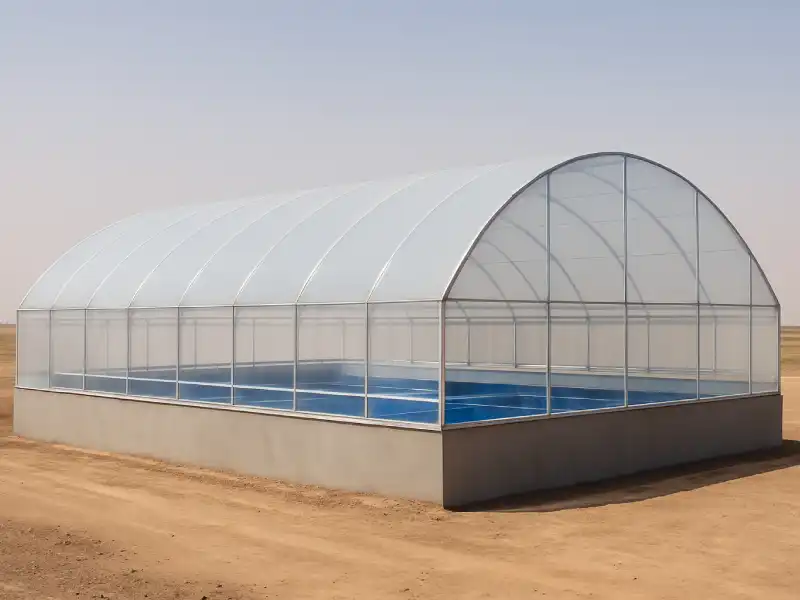


One of the most effective strategies for protecting agricultural crops from environmental factors is the construction of shade houses and net houses. These structures create a controlled environment, enhancing product quality, increasing productivity, and reducing damage caused by wind, intense sunlight, hail, birds, and pests.
Shade House

Shade houses are typically built using specialized shade nets that regulate sunlight exposure and lower ambient temperature. These structures are ideal for seedling cultivation, light-sensitive plants, flowers, and vegetables.
Key Features:
- Regulation of light intensity and ambient temperature
- Protection against sunburn and heat stress
- Optimal conditions for seedling production units
- Enhanced plant health and quality
- Lightweight structure with resistance to wind and rain
Net House
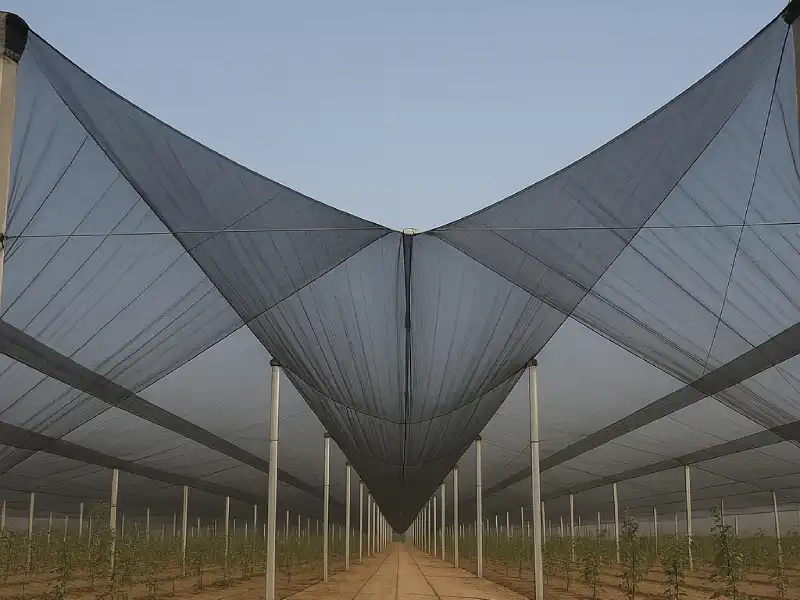
A net house is a modern agricultural structure that provides a semi-controlled growing environment using polyethylene or polypropylene mesh. These nets can control sunlight, humidity, temperature, and pest entry depending on their type.
Benefits of Using Net Houses:
- Reduced Sun Intensity: In hot and dry regions, direct sunlight can scorch plants. Net houses mitigate this by moderating light and temperature.
- Pest and Disease Protection: Net houses help prevent pests like aphids, whiteflies, and thrips, significantly reducing pesticide use and improving crop safety.
- Moisture and Temperature Control: They minimize water evaporation, maintain higher humidity levels, and create better conditions for plant growth.
- Improved Yield and Quality: Ideal conditions support faster growth and higher-quality crops, boosting profitability.
- Lower Water and Chemical Use: Due to reduced evaporation and pest protection, water and pesticide usage is minimized.
Net house applications:
Net houses are widely used in the cultivation of vegetables, herbs, medicinal plants, and certain fruits. They are particularly beneficial in regions with harsh environmental conditions, such as tropical and semi-tropical areas.